

ELEVATED NEURO
A Gentle Path Back to Yourself
A Different Approach to Healing
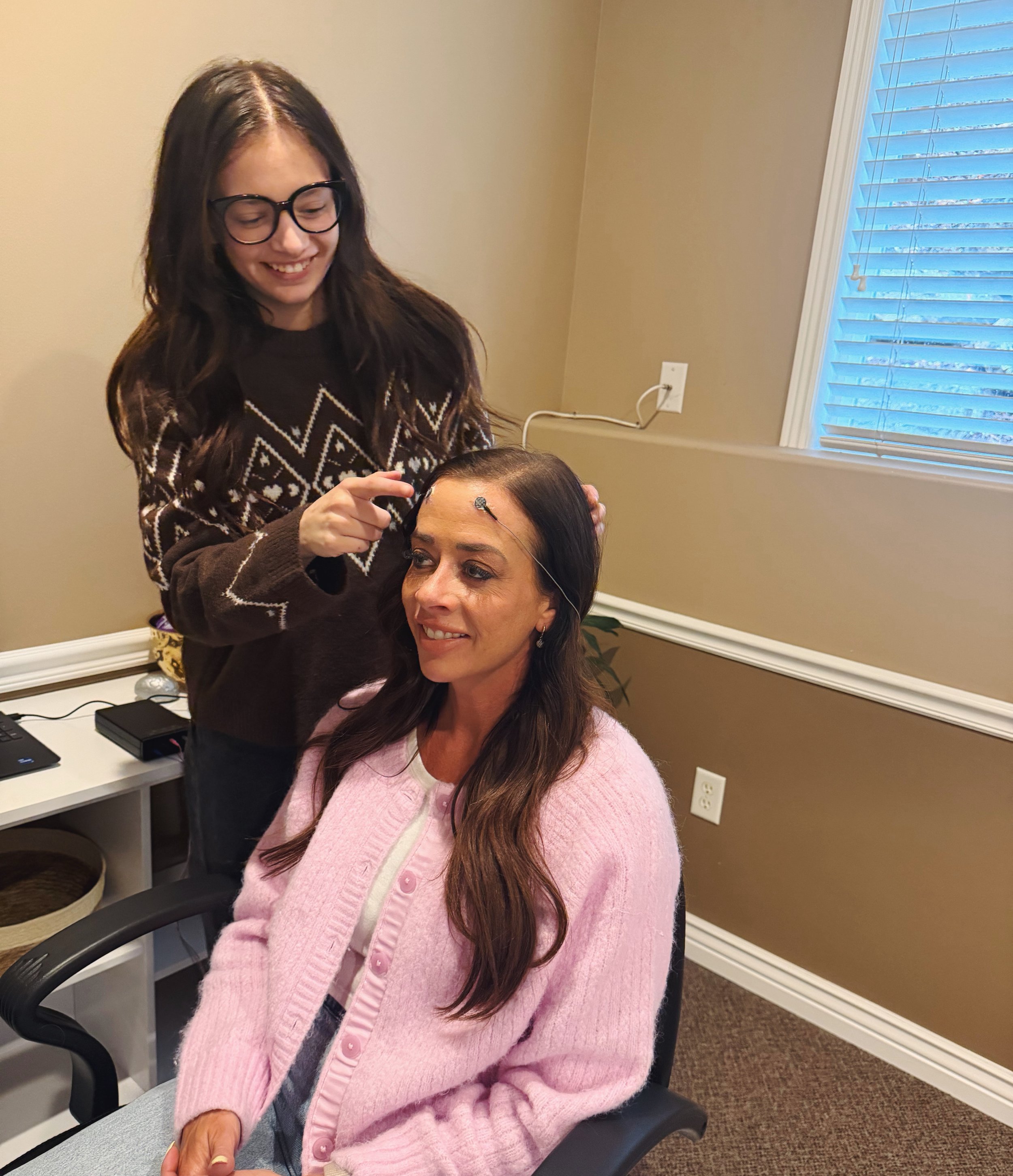
Microcurrent neurofeedback is an FDA-cleared technology that uses extremely small electrical signals to help the brain regulate and function more efficiently.
Rather than “training” the brain through effort or repetition, this approach works by gently interrupting inefficient patterns—allowing your brain to reset and return to a more balanced state on its own.
It’s safe, non-invasive, and requires no active effort—simply relax during your session.
IASIS Microcurrent Neurofeedback is an advanced, non-invasive technology designed to support the brain’s natural ability to self-regulate.
Using extremely low levels of electrical current (microcurrents), the system provides gentle feedback to the brain in real time. This process encourages the brain to recognize inefficient patterns and naturally shift toward more balanced, regulated activity.
The microcurrent used is extremely subtle — often below the level of sensation — and sessions are typically relaxing and comfortable.
Rather than forcing the brain to change, IASIS supports the brain’s own self-correcting ability
What is IASIS Microcurrent Neurofeedback?
-
Microcurrent neurofeedback supports the brain’s natural ability to regulate itself. By encouraging more balanced brainwave activity, it may help improve emotional stability, cognitive function, sleep quality, and nervous system resilience.
This non-invasive approach does not require active participation and can be used alongside therapy, medications, or other treatments.
Microcurrent neurofeedback may benefit individuals who wish to improve the below:
-
When we experience ongoing stress, trauma, or overwhelm, the nervous system can become “stuck” in patterns like anxiety, hypervigilance, or fatigue. Microcurrent neurofeedback gently encourages the brain to shift out of these patterns and function more efficiently. It is known to improve conditions such as:
Anxiety
Panic attacks
Depression
Chronic stress
PTSD & trauma-related symptoms
Mood swings
Emotional dysregulation
Irritability
Burnout
Social anxiety
Performance anxiety
Brain Health
Traumatic brain injury (TBI)
Concussions & post-concussion symptoms
Migraines & chronic headaches
OCD
Autism spectrum disorders
Sensory processing challenges
Tics
-
When the brain is under stress or stuck in dysregulated patterns, it can impact attention, clarity, and recall. This work helps the brain shift into a more balanced state, where cognitive functions can operate more smoothly. It is known to improve:
Poor concentration
Memory challenges
Mental fatigue
Executive functioning difficulties
Learning challenges
Cognitive performance optimization
Brain Fog
ADHD / ADD
-
When the nervous system is stuck in “on” mode, it can be difficult to fall asleep, stay asleep, or reach deeper, restorative sleep. This work gently encourages the brain to settle, making it easier for the body to rest. It is known to improve:
Difficulty falling or staying asleep
Racing thoughts
Hypervigilance
Nervous system dysregulation
Difficulty relaxing
Insomnia
-
Many patterns related to stress and addiction are tied to how the nervous system responds to overwhelm, discomfort, and emotional triggers. This work gently helps the brain shift out of those patterns and into a more stable, balanced state. It is known to improve:
Substance use recovery support
Cravings
Impulse control challenges
Compulsive behaviors
Stress-Related Physical Symptoms
Chronic fatigue
Muscle tension
Stress-related symptom flares
Nervous system hypersensitivity
-
Microcurrent neurofeedback can be especially helpful for children and teens because it does not require active participation.
May support:
ADHD
Anxiety
Emotional regulation
Focus challenges
Behavioral concerns
Sleep difficulties
Meet the Founder
Hi, I’m Erisa.
For years, my life was defined by chronic illness, anxiety, and constant stress. I tried therapy, medication, and many different approaches just to get through each day.
While some things helped, I still felt like my body was stuck in survival mode.
When I discovered microcurrent neurofeedback, the changes were gradual—but real.
My sleep improved. The constant anxiety began to ease. My body started to feel more stable.
Over time, I felt clearer, calmer, and more like myself again.
That experience is what led me to offer this work to others.
Frequently Asked Questions
Still have questions? Take a look at the FAQ or reach out anytime. If you’re feeling ready, go ahead and apply.
-
No. IASIS Microcurrent Neurofeedback is not painful.
The treatment uses extremely low-level electrical impulses called microcurrents, which are sub-sensory. This means the current is below the level that typically produces a physical sensation. Most individuals feel little to nothing at all during the session.
There are no shocks, no stimulation that forces the brain to respond, and no discomfort. Small clips are gently placed on the ears or scalp, allowing the system to provide feedback to the brain in a passive, non-invasive way.
Sessions are typically calm and relaxing, and many clients choose to simply sit comfortably while the treatment is administered.
-
Something HeResponse time varies depending on the individual, their health history, and the complexity of symptoms.
Some individuals report noticing changes within the first few sessions, while others may require a larger number of sessions to experience meaningful improvements.
According to IASIS clinical guidance, many individuals begin noticing shifts within 5–10 sessions, while more complex or longstanding conditions often benefit from 20 or more sessions.
Because each brain and nervous system is unique, results can be gradual and cumulative. A series of sessions is typically recommended to allow the brain sufficient opportunity to create more stable patterns of regulation.
Consistency is important, as improvements often build over time.re
-
Yes. IASIS Microcurrent Neurofeedback is commonly used alongside other therapies and treatments.
It does not interfere with medications, supplements, psychotherapy, physical therapy, or other wellness or medical approaches. Many individuals choose to incorporate microcurrent neurofeedback as part of a broader care plan that may include:
• Counseling or psychotherapy
• Functional or integrative medicine
• Chiropractic care
• Physical therapy
• Occupational therapy
• IV therapies or nutritional support
• Mindfulness practices or nervous system regulation techniques
Because the treatment is non-invasive and does not involve pharmaceuticals, it is often integrated into existing care plans under the guidance of healthcare providers.
Clients should always consult with their licensed medical provider regarding changes to medications or treatment plans.
-
Sessions typically take about 30 minutes, with only a few minutes of actual microcurrent delivery. The remaining time allows for preparation, placement of the clips, and brief check-in before and after the session.
-
IASIS Microcurrent Neurofeedback uses very low intensity electrical impulses designed to support the brain’s natural ability to regulate itself. Unlike traditional neurofeedback systems that require active participation, IASIS is considered passive, meaning the brain receives information without needing to consciously perform tasks or focus on a screen.
The microcurrent is significantly lower in intensity than many other neurostimulation approaches, making it a gentle option for individuals seeking support for nervous system regulation.
Contact Us
Whether you’re curious, have questions, or are ready to begin, we’d love to hear from you.